Are Root Canals Bad For You? The Truth About Root Canal Safety
You might have come across conflicting information online about root canals. Some sources claim they are dangerous, while others stress their importance in saving natural teeth. The truth is that root canals are safe, effective, and one of the most common dental procedures performed worldwide.
Research shows root canal therapy has a success rate that often exceeds 90 percent, helping patients preserve their natural teeth for many years to come. Despite this, outdated studies and misinformation persist, leaving patients concerned about the potential health risks associated with root canals.
In this article, we’ll separate fact from fiction by addressing common concerns with real scientific evidence. You’ll learn why modern dentistry considers root canals a trusted solution for treating infection, what risks actually exist, and how those risks are addressed with today’s advanced techniques used by trusted providers like Southeastern Dental Center.
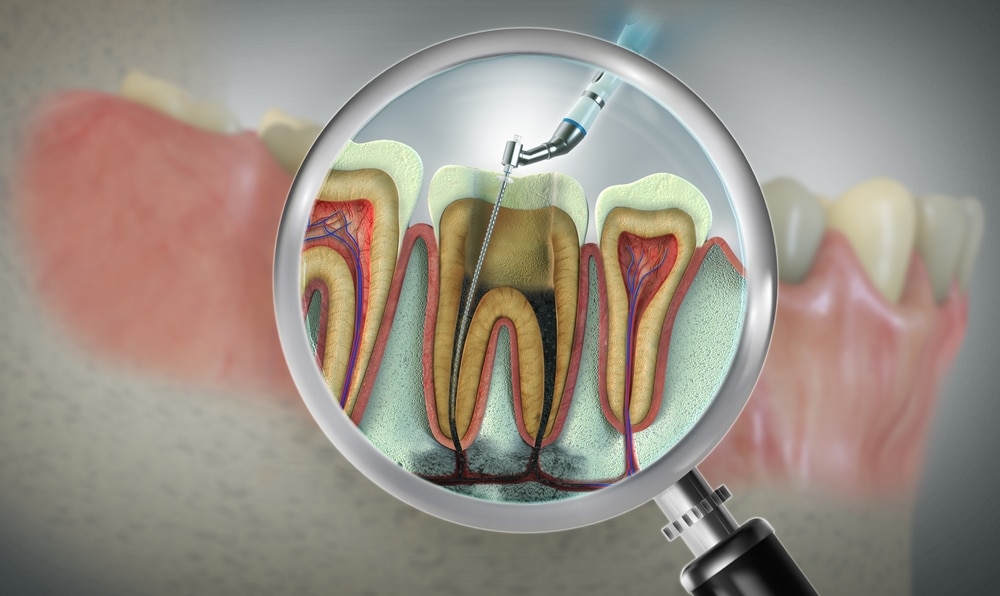
The Truth About Root Canal Safety: What Science Says
In 2026, the overwhelming scientific consensus states that root canal therapy is both safe and beneficial when performed correctly. The procedure is designed to remove infection, protect surrounding tissues, and preserve the natural tooth structure.
Root Canal Safety and Success Rate
A 2022 systematic review published in the International Endodontic Journal reported root canal therapy success rates of 92.6% under ‘loose’ criteria and 82.0% under ‘strict’ criteria, confirming high long-term success when properly performed and restored. Most treated teeth function comfortably for decades following treatment.
Comparison with Dental Implants
A large-scale study conducted in 2024 revealed that root canal-treated teeth’ survival rates were comparable to or better than those of dental implants over similar observation periods.
It showed root canal therapy survival at 93.75% over 2 years, comparable to 91.7% survival for implants, while other meta-analyses report no significant differences between the two treatments over 6 years.
Root Canal Therapy and Systemic Health
Outdated 20th-century theories claiming root canals cause systemic illness have been repeatedly debunked. The American Association of Endodontists clearly states there is no scientific evidence linking root canal treatment to systemic diseases.
Modern research even suggests root canal treatments reduce systemic infection risk compared to untreated dental infections.
Benefits Compared to Tooth Extraction
Extraction removes the infected tooth but can lead to long-term oral health challenges such as bone loss, shifting of adjacent teeth, and the need for implants or bridges.
Studies show that saving the natural tooth with root canal therapy is a better solution when possible, as it preserves bite functionality, prevents bone loss, and is less harmful to oral health.
Schedule a Safe Root Canal Procedure Now
Why Do People Think Root Canals Are Dangerous?
Despite decades of research showing this solution is safe, many patients still wonder if root canals pose a risk to their health. The persistence of this belief stems from outdated science and the modern spread of misinformation. Let’s look at the two main sources of these myths.
The Focal Infection Theory Myth
Concerns about root canal safety can be traced back to the 1920s and the work of Dr. Weston Price. Price promoted the focal infection theory, suggesting that bacteria trapped inside root canal–treated teeth could spread and cause systemic illnesses ranging from arthritis to heart disease. His studies, however, were later found to be methodologically flawed and not reproducible.
Modern studies using advanced microbiology and epidemiology show no link between root canals and systemic disease. Today, endodontic specialists use strict sterilization techniques and biocompatible materials, making root canal therapy a predictable and safe procedure.
Internet Misinformation Spread
In recent years, online platforms have reignited old fears with a modern spin. A major example is the 2019 Netflix documentary Root Cause, which claimed root canals lead to serious health issues, including cancer. The film was heavily criticized by dental professionals and eventually removed from the platform.
Unfortunately, misinformation spreads easily through social media echo chambers, where anecdotal stories are shared without supporting scientific evidence. As many people lack training in evaluating the quality of research, these myths are often taken at face value.
At Southeastern Dental Center, we believe that patients deserve care grounded in science, not speculation. Our team provides education alongside treatment, so you can feel confident that your oral health decisions are based on facts, not fear.
Plan Your First Visit at Southeastern Dental Center
Are Root Canals Safe? Modern Evidence and Standards
Modern endodontics has advanced far beyond the early techniques that fueled old myths. Every stage of the procedure is designed to prevent infection, protect surrounding tissues, and restore function with minimal risk.
Infection Control Protocols
- Rubber dam isolation: During a root canal, dentists place a thin sheet called a rubber dam around the tooth. This isolates the treatment area, preventing saliva and bacteria from contaminating the canal system.
- Sterilization standards: All instruments used in root canal therapy undergo strict sterilization with modern autoclaves, which eliminate bacteria, viruses, and spores
- Antimicrobial irrigation: The canals are flushed with disinfecting solutions, typically sodium hypochlorite or chlorhexidine, which kill bacteria and dissolve infected tissue. A 2020 systematic review found that these irrigants significantly reduce bacterial load and increase treatment success.
- Biocompatible materials: The spaces inside the roots are filled with gutta-percha and sealers, both of which are biocompatible and safe for the body.
Technology Advancements
3D imaging (CBCT): Cone Beam Computed Tomography (CBCT) allows dentists to capture highly detailed 3D images of the tooth’s anatomy. This technology improves diagnostic accuracy and reduces the chance of missed canals.
Microscopic precision: Operating microscopes give enhanced visualization, enabling dentists to locate tiny canals and remove infection more effectively. Studies show that microscope-assisted endodontics significantly improves treatment outcomes.
Rotary instruments: Modern nickel-titanium rotary files are more flexible and efficient than traditional hand files. They allow thorough cleaning of curved canals and reduce the risk of procedural errors.
Apex locators: Electronic apex locators precisely measure the length of root canals, reducing the chance of over- or under-filling, which is crucial for long-term success.
Together, these advancements show that the question of whether root canals are dangerous is no longer valid today. Nowadays, root canal treatment is carried out with protocols and technology that make it one of the safest and most predictable dental procedures available.
At Southeastern Dental Center, we use these modern standards every day to deliver care that prioritizes your health and comfort.

Addressing the Health Concerns
The internet is filled with alarming claims that root canals can make you sick, but the science tells a very different story. When properly performed, root canal therapy eliminates infection and restores tooth health without posing risks to the rest of the body. Let’s look at the most common concerns.
The Bacteria Argument
- Research findings: Critics sometimes argue that root canals leave harmful bacteria trapped inside the tooth. However, peer-reviewed studies consistently show that advanced cleaning and disinfection protocols significantly reduce bacterial counts.
- Immune system function: Even if trace bacteria remain, the body’s immune system is fully capable of managing them. Our bodies coexist with bacteria every day in the mouth, gut, and skin without developing disease.
- Antibiotic protocols: In cases of severe infection or swelling, dentists may prescribe antibiotics before or after a root canal. These medications further support the immune system in eliminating any remaining bacteria.
- Follow-up monitoring: Dentists schedule follow-up visits and may take X-rays to ensure healing is progressing as expected. This proactive monitoring helps confirm that the infection has been resolved and the treated tooth remains stable.
Systemic Health Claims
- Heart disease myths: Some online sources suggest root canals increase the risk of cardiovascular disease. However, a 2023 study found no credible evidence linking root canals to heart problems.
- Cancer connection: The claim that root canals cause cancer has also been thoroughly debunked. For example, a 2014 epidemiological review on endodontics concluded that controlled comparisons of health outcomes show no evidence that root canal treatments increase cancer risk, supporting the safety of the procedure from a systemic health perspective.
- Autoimmune concerns: Similar myths connect root canals with autoimmune diseases, but scientific research does not support these. The immune system’s natural defenses, combined with modern sterilization, make root canal treatment safe.
- Actual risks: Like any medical procedure, root canals carry small risks—such as reinfection, instrument fracture, or persistent discomfort. Fortunately, these complications are rare and usually treatable. Compared to leaving an infection untreated, the benefits of root canal therapy overwhelmingly outweigh the risks.
Myth vs. Scientific Fact Table
| Myth | Scientific Fact |
| Root canals trap harmful bacteria that spread illness | Modern cleaning techniques remove 99%+ of bacteria, and the immune system controls the rest |
| Root canals increase the risk of heart disease | No scientific evidence supports this claim |
| Root canals cause cancer | Large population studies show no association |
| Root canals trigger autoimmune disease | No peer-reviewed research links the two |
| Tooth extraction is safer | Preserving the natural tooth is healthier and prevents bone loss |
Real Risks vs. Perceived Dangers
When wondering whether root canals are dangerous, it’s important to distinguish between actual risks and exaggerated fears.
Actual Complications (Rare)
- Infection persistence: In fewer than 5% of cases, the initial root canal may not fully eliminate the infection. This can be corrected with retreatment or, in rare cases, surgical intervention such as an apicoectomy.
- Instrument separation: Very occasionally, a small file used to clean the canals may break inside the tooth. With modern nickel-titanium instruments and careful technique, this risk is minimal, and in most cases, the fragment can either be removed or bypassed without affecting long-term success.
- Allergic reactions: Hypersensitivity to materials such as gutta-percha or sealers is extremely rare. Biocompatible filling materials used today are tested for safety and well-tolerated in nearly all patients.
- Post-treatment discomfort: It’s normal to experience some soreness or sensitivity for a few days after the procedure. This discomfort is usually mild and manageable with over-the-counter pain relievers, resolving as the tooth heals.
Risks of Avoiding Root Canals
- Spreading infection: Untreated tooth infections can lead to painful abscesses or cellulitis (spreading infection in soft tissue). If left untreated, these conditions can become life-threatening.
- Bone loss: When an infected tooth is left in place, the surrounding jawbone begins to deteriorate. Over time, this weakens the dental arch and complicates future restorative treatments like All-on-4 implants.
- Systemic infection: In rare cases, dental infections can spread to the bloodstream, leading to sepsis—a serious and potentially fatal complication.
- Tooth loss: Without a root canal or extraction, the infected tooth will eventually be lost. Extraction may solve the immediate infection but comes with its own risks, including bone resorption and the need for prosthetic replacements.
Why Root Canals Are Actually Good for You
Root canals offer multiple benefits that protect both your oral and overall health. Some of the most important ones are as follows:
- Tooth preservation: Saving the natural tooth is always preferable to extraction. A root canal allows you to keep your natural dentition, which maintains proper bite alignment and prevents neighboring teeth from shifting out of place.
- Infection elimination: Root canal therapy removes the infected pulp tissue and thoroughly disinfects the canals, stopping the spread of bacteria. This not only resolves the immediate problem but also prevents future complications.
- Pain relief: Many patients associate root canals with pain, but the truth is, the procedure relieves pain. Once the infection and inflamed tissue are removed, chronic toothaches, sensitivity, and swelling subside, allowing patients to live comfortably again.
- Cost-effectiveness: By saving your tooth, you avoid the higher costs of replacing it. Compared to extraction followed by a dental implant, bridge, or denture, root canal therapy is often the more affordable solution.
- Jaw bone preservation: Keeping your natural tooth root in place helps maintain bone density in the jaw. When a tooth is lost, the surrounding bone begins to resorb, weakening the foundation for neighboring teeth and future restorations.
- Normal function restoration: A properly restored root canal–treated tooth functions like a healthy natural tooth. You can chew, bite, and speak normally without discomfort or restriction.

Modern Root Canal Treatment at Southeastern Dental Center
We understand that patients often worry about whether root canals are dangerous or painful. That’s why our approach is built around advanced technology, clinical expertise, and patient comfort.
Here’s what makes our dental clinic stand out:
- Advanced diagnostic tools: Our team uses state-of-the-art imaging technology to accurately assess tooth structure and infection. Tools like digital X-rays and 3D imaging allow us to create precise treatment plans based on confirmed diagnosis.
- Experienced endodontic team: Root canal therapy at our practice is performed by dentists with advanced training and years of hands-on experience. This expertise ensures that procedures are completed with precision, reducing risks and improving outcomes.
- Patient comfort protocols: We know that dental anxiety is common, especially with root canals. To make the process as comfortable as possible, we offer sedation options and use gentle techniques to ensure a pain-free experience from start to finish.
- Evidence-based practices: Every procedure follows the latest research-backed guidelines in endodontics, including advanced sterilization and the choice of biocompatible materials.
- Comprehensive aftercare: Healing doesn’t stop once the procedure is complete. We provide personalized aftercare instructions and schedule follow-up visits to monitor your progress, ensuring that your tooth heals properly and remains strong.
- Success tracking: With long-term follow-up care, we can confirm that your treated tooth stays functional for years to come. Studies show root canal–treated teeth can last a lifetime with proper restoration and routine dental checkups.
Making an Informed Decision About Root Canal Treatment
Reliable information is key when deciding on root canal therapy. Asking the right questions and recognizing misinformation can help you feel confident that you’re choosing the best option for your oral health.
Questions to Ask Your Dentist
- Treatment alternatives and their risks: What happens if the tooth is extracted instead of treated? What are the short- and long-term health impacts?
- Success rates for your specific case: How likely is your tooth to heal and remain functional given your unique circumstances?
- Technology and techniques used: Does your dentist use modern imaging, sterilization, and precision tools to improve accuracy and safety?
- Post-treatment care requirements: What follow-up visits, oral hygiene practices, and restoration options will ensure long-term success?
Red Flags in Root Canal Information
🔴 Claims without scientific citations: If a source makes bold statements without linking to peer-reviewed studies, be cautious.
🔴 Conspiracy theory language: Phrases like “dentists are hiding the truth” or “the root canal cover-up” are typically clickbait signals of unreliable sources.
🔴 Anecdotal evidence over research: Personal stories can be compelling, but they don’t replace decades of clinical research.
🔴 Outdated information (pre-2000s): Modern techniques have transformed root canal safety, and older studies don’t reflect today’s standards.

The Bottom Line: Are Root Canals Dangerous to Your Health?
The scientific consensus is clear—root canals are safe, effective, and one of the best ways to preserve your natural teeth. This claim is confirmed by success rates above 90 percent and decades of research confirming their safety, and root canal therapy remains the gold standard for treating tooth infections.
While myths continue to circulate online, the evidence shows that root canals eliminate infection, relieve pain, and protect long-term oral health. The key is choosing a qualified provider who follows modern standards of care, uses advanced technology, and offers compassionate support throughout the process.
If you’re experiencing tooth pain or have been told you need a root canal, don’t let unfounded fears prevent you from getting the care you need. Schedule a consultation at Southeastern Dental Center to discuss your concerns with our experienced team and learn about our modern, safe root canal procedures.
FAQ
- Can root canals make you sick?
No. Root canals are designed to remove infection, not cause it. In fact, untreated infections are what pose a true health danger, potentially leading to abscesses or spreading infections.
- How long do root canals last?
With proper care, most root canal–treated teeth last decades, and many last a lifetime. Long-term success depends on a strong final restoration (such as a dental crown) and routine dental checkups.
- What percentage of root canals fail?
Root canal therapy, when performed with modern techniques, has a success rate above 90 percent. Failures are uncommon and usually related to missed anatomy, reinfection, or complications such as a fractured root.
In many cases, retreatment or a minor surgical procedure can resolve the issue.
- Are there alternatives to root canal treatment?
The main alternative is tooth extraction. However, this creates new challenges, such as bone loss, shifting teeth, and the need for replacement with a dental implant, bridge, or denture.
Whenever possible, saving your natural tooth with a root canal is the healthier, more cost-effective choice.
Related Posts

I’ve Avoided the Dentist for Years. Where Do I Start?
A 2025 study in the Journal of the American Dental Association found that almost 73% of adults feel some fear about visiting...
What is Conscious Sedation Dentistry?
Anxious about dental work? Learn how conscious sedation dentistry keeps you calm and comfortable throughout any procedure. Find out if it's right for you....

What Is Dental Erosion and How Can You Prevent It?
Know the signs of dental erosion before it becomes a bigger problem. Discover what causes it, how to spot it early, and how to prevent tooth erosion for good....
Curious About What Actually Happens During a Smile Makeover? We Can Help.
A lot of people hear the phrase “smile makeover” and immediately assume it means a long, expensive, overwhelming process. In reality, the...

What Are Your Favorite Sweet Drinks Really Doing to Your Teeth?
Sweet tea, soda, lemonade, iced coffee, maybe something cold from the gas station cooler on a hot day. That’s summer around the...

Traveling This Summer? Don’t Forget to Pack Your Best Smile!
As summer travel plans come together across the Chattahoochee Valley, people often focus on flights and packing, leaving dental care toward the...