Single Tooth Implant Cost: Everything You Should Know
Dental implants are one of the most reliable ways to replace a missing tooth, but cost is often the first thing people ask about.
And it makes sense. No one wants surprises when it comes to their smile or their budget. That’s why it helps to know upfront how different factors can change the overall cost.
At Southeastern Dental Center, we believe in full transparency. You’ll get clear pricing, detailed consultations, and honest guidance from day one.
That being said, in this guide, we’ll look at what affects the cost of single tooth implants, what’s usually included, and how to prepare, insurance or not.
What’s Typically Included in Your Single Tooth Implant Cost
A complete implant involves more than just the visible crown. The single tooth implant cost usually covers several key stages of treatment, each designed to make sure your new tooth functions and looks like the real thing:
- Comprehensive consultation: This first step includes dental exams, X-rays, or a CT scan. It helps map out your treatment and identify any underlying issues before surgery.
- Surgical placement of the implant: The titanium or zirconia post is placed in the jawbone under local anesthesia. This procedure is handled in-office and is often the most technical part of the process.
- Healing and monitoring period: As the implant bonds with the jawbone (a process called osseointegration), you’ll have checkups to make sure healing is on track.
- Custom crown fabrication and placement: Once healing is complete, the crown is designed to match your bite, tooth shape, and color. It’s attached using an abutment for long-term stability.
- Post-treatment support: Some practices include a few follow-up visits or offer care tips to help you maintain the implant and surrounding teeth.
If you’re unsure what’s included, just ask during your consultation. At Southeastern Dental Center, we itemize every part of your plan so you know exactly what’s covered.
Average Single Tooth Implant Cost Breakdown
The average cost of a single tooth implant in the United States usually falls between $3,000 and $6,000. This range covers most cases, though more complex treatments can go higher. To understand where the money goes, it helps to look at the main parts of the procedure:
🦷 Implant fixture – The titanium or zirconia post placed in the jawbone often costs $1,500 to $2,500.
🦷 Abutment – This small connector attaches the implant to the crown and usually ranges from $300 to $500.
🦷 Crown – The visible replacement tooth, custom-made for color and fit, can run between $1,000 and $2,000.
When added together, these components explain why the total cost can vary so much. Extra treatments like bone grafting, extractions, or advanced imaging can also raise the price.
Additional Costs to Consider
Besides the core cost of the implant, a few extra services might be needed depending on your oral health and treatment plan. These add-ons can affect the total single tooth implant cost, so it’s smart to factor them in early.
🦷 Consultation and imaging: Your first visit may include a detailed exam, X-rays, or a 3D CT scan to plan your implant placement. These typically cost between $100 and $500, depending on how advanced the imaging is.
🦷 Bone grafting: If your jaw doesn’t have enough bone to hold the implant, a graft may be required. This adds $300 to $1,200, based on the size and type of grafting material.
🦷 Tooth extraction: If the damaged or decayed tooth hasn’t been removed yet, that’s an extra step. Simple extractions average $150 to $400, while surgical removals can cost more.
🦷 Temporary solutions: You may receive a temporary crown or flipper while the implant heals. These short-term solutions cost between $300 and $800, depending on the material and style.
🦷 Follow-up care: Healing checkups are often included, but additional cleanings or adjustments might come with small fees. These usually range from $75 to $200 per visit.
At Southeastern Dental Center, we go over every potential cost with you upfront so there are no financial surprises during treatment.
Factors That Affect Single Tooth Dental Implants Cost
Not every implant case is the same, and the total cost reflects that. Several variables can raise or lower the price depending on your individual needs:
🦷 Location in your mouth: Front teeth sit in the smile zone, so the surgeon must line up angles and gum contours with extra care. That extra planning time bumps the fee a little. Molars, by contrast, need stronger posts for heavy chewing but less cosmetic fine-tuning, so the total sits closer to the mid-range.
🦷 Bone quality and quantity: Adequate bone locks the implant in place. If the jawbone looks thin or soft on a 3-D scan, your dentist may add a small graft or lift the sinus floor first. Each extra step adds both chair time and material costs to your final bill.
🦷 Implant material: Titanium remains the workhorse and usually runs cheaper. Zirconia appeals to people who prefer metal-free solutions; however, the lab work and raw material cost more, so the quote edges higher.
🦷Crown material: The visible cap can be porcelain-fused-to-metal, full zirconia, or layered ceramic. Porcelain-fused-to-metal often lands at the lower end, while full zirconia and advanced ceramics fetch higher lab fees but promise greater chip resistance.
🦷 Practice location and expertise: Big-city rent, advanced in-house tech, and a surgeon’s years of implant training all influence pricing. A seasoned provider in a metro area may charge more than a newer practice in a small town, yet that higher fee often reflects shorter chair time and reduced redo risk.
Every patient’s case is different, which is why Southeastern Dental Center takes time to evaluate each situation carefully before offering a cost estimate.
Financing Your Single Tooth Implant
Many patients use financing to manage the cost of single tooth implants without delaying treatment. Several options can make the process more affordable:
- In-house payment plans: Some dental practices, including Southeastern Dental Center, offer flexible dental payment plans that let you split the total cost over a few months. These are often interest-free and tailored to your budget.
- Third-party financing: Services like CareCredit, LendingClub, or Sunbit offer medical loans with fixed monthly payments. Approval depends on your credit, but many plans come with promotional interest rates if paid within a set timeframe.
- HSA and FSA funds: If you have a Health Savings Account (HSA) or Flexible Spending Account (FSA), you can use those pre-tax dollars to pay for your implant treatment, including exams and imaging.
- Smart budgeting strategies: Some patients save a set amount each month in a high-yield savings account before starting treatment. Others schedule non-urgent work over time to spread out payments without financing.
Insurance Coverage for Single Tooth Implants
Most dental insurance plans don’t cover the full cost of a single tooth implant, but they might pay for parts of the process. How much they cover depends on your plan and why the implant is needed.
🦷 What dental insurance may cover: Some plans cover the crown only, not the implant or abutment. Others may reimburse a percentage of the full treatment; typically 30% to 50%, with annual limits.
🦷 Medical insurance considerations: If the tooth loss resulted from an injury or illness, your medical insurance may contribute, especially if the implant is considered medically necessary.
🦷 Pre-authorization requirements: Most insurers require a pre-treatment estimate or authorization before agreeing to pay anything. Without that approval, you might end up covering the full amount yourself.
At Southeastern Dental Center, our team helps you check your benefits and submit all necessary paperwork so you know what to expect before treatment begins.
Cost Comparison: Implants vs. Other Options
Dental implants aren’t the only way to replace a missing tooth, but they offer long-term value that other treatments can’t always match. Here’s how the cost of single tooth implants compares to common alternatives:
- Dental bridges: A bridge can cost $2,000 to $5,000, depending on the number of teeth involved and the materials used. While the upfront cost may be lower than an implant, bridges often need to be replaced every 5 to 15 years and may require shaving down healthy neighboring teeth.
- Partial dentures: These typically cost $500 to $2,500, but they’re removable, can feel bulky, and need regular adjustments. They also don’t preserve jawbone health the way implants do.
- Leaving the gap untreated: This might seem like the cheapest option, but it often leads to shifting teeth, bite issues, and bone loss. Over time, those problems can create bigger and more expensive dental concerns.
- Long-term value: Implants can last 25 years or more with proper care. That durability means fewer replacements, fewer office visits, and fewer long-term costs. It’s an upfront investment that often pays off.
Getting the Best Value for Your Investment
When it comes to implants, cheaper isn’t always better. Focusing only on price can lead to complications, low-quality materials, or short-term fixes that cost more later.
Here’s what to look for when weighing the cost of a single tooth implant against the value you’re getting:
- Quality of care matters: Skilled providers use top-tier materials, proven techniques, and personalized treatment plans. The results are better function, longer-lasting outcomes, and fewer repeat visits.
- Experience and training: Dentists with advanced training in implantology tend to have higher success rates and more predictable results. A higher fee often reflects that level of expertise.
- Technology and techniques: Practices that use 3D imaging, guided implant surgery, and digital impressions can offer more precise and comfortable treatment. That level of care is worth the extra investment.
- Warranty and coverage: Some offices include warranties on implants or crowns. Always ask what’s included as coverage for adjustments, repairs, or replacement can protect your budget long-term.
At Southeastern Dental Center, we prioritize quality at every step and walk you through each option so you know exactly what you’re paying for and why.
Conclusion: Investing in Your Oral Health
A single tooth implant isn’t just about replacing what’s missing; it’s about restoring your bite, preserving your jawbone, and feeling confident when you smile. While the upfront cost might seem high, the long-term value often outweighs the alternatives.
At Southeastern Dental Center, we don’t offer one-size-fits-all quotes. We take the time to assess your needs, walk you through every detail, and give you real numbers you can plan around.
Get a personalized cost estimate for your single tooth implant at Southeastern Dental Center. Schedule your consultation today to learn about pricing and financing options.
Frequently Asked Questions
How much does a single tooth implant cost in Georgia?
In Georgia, the cost of a single tooth implant usually falls between $3,000 and $5,500. This depends on the provider, any additional treatments needed (like bone grafts), and the materials used for the implant and crown.
Does insurance cover single tooth implants?
Some dental insurance plans cover part of the cost, like the crown or imaging, but many do not cover the full procedure. If the implant is needed due to injury or medical reasons, medical insurance may help. Always check with your provider first.
Why do implant costs vary between practices?
Prices can differ based on the dentist’s experience, the technology used, lab quality, and the overall complexity of your case. Practices that include imaging, follow-ups, or advanced techniques may charge more, but they often deliver better, longer-lasting results.
Are there hidden costs with dental implants?
There shouldn’t be. But in some cases, patients need extra services like tooth extractions, temporary crowns, or bone grafting. At Southeastern Dental Center, all potential costs are discussed upfront, so nothing catches you off guard.

Related Posts
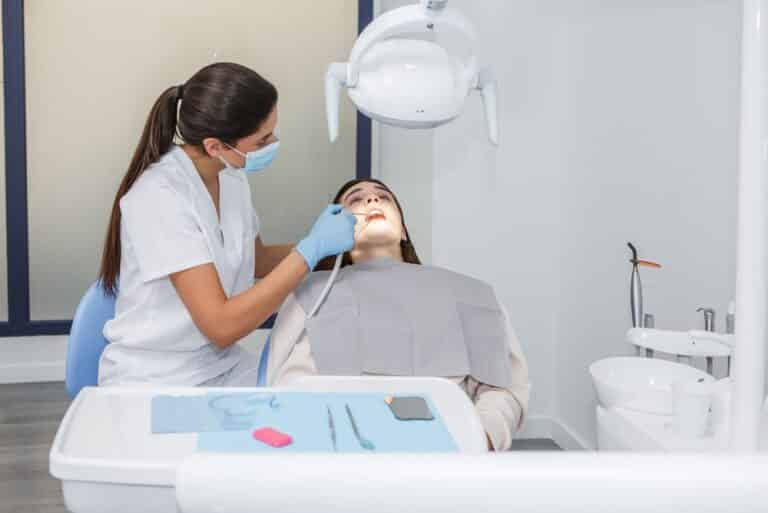
What is Conscious Sedation Dentistry?
Anxious about dental work? Learn how conscious sedation dentistry keeps you calm and comfortable throughout any procedure. Find out if it's right for you....

Why Do Younger Adults Sometimes Need Dental Implants? Age May Matter Less Than You Think
The American College of Prosthodontists reports that over 120 million Americans are missing at least one tooth. Although tooth loss is more...
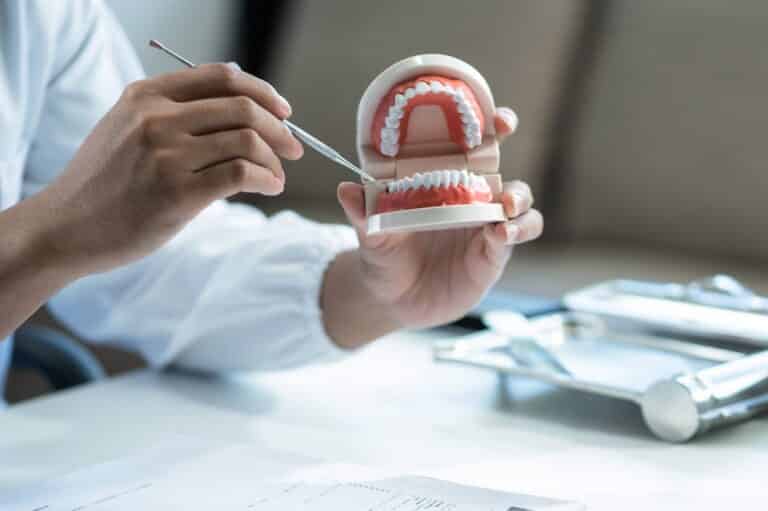
Curious About What Actually Happens During a Smile Makeover? We Can Help.
A lot of people hear the phrase “smile makeover” and immediately assume it means a long, expensive, overwhelming process. In reality, the...

Which Dental Implant Option Is Right for You?
Missing teeth affect more than your appearance. Patients also notice changes in the foods they can eat, the way they speak, and...

How Much Do Full-Mouth Dental Implants Cost?
Full-mouth implants are one of the most life-changing dental treatments you can have. They offer a stable, natural-looking smile that looks, feels,...

How Much Do All-on-4 Dental Implants Cost?
Choosing All-on-4 dental implants is more than just a dental procedure – it’s an investment in long-term health, comfort, and confidence. Unlike...